
Malt Distillery Plant
A malt distillery begins with the raw material and the desired spirit. ATTOMO provides engineering and equipment for an agreed malt-processing, fermentation and distillation scope.
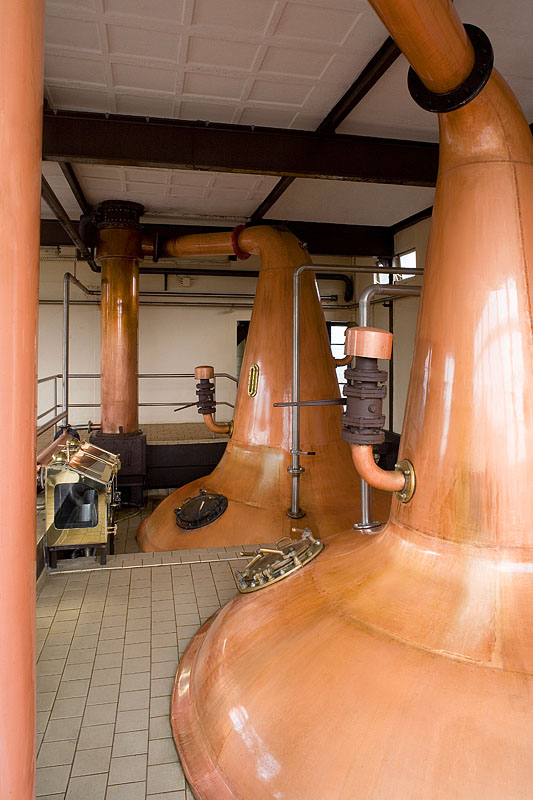

Process and equipment approach
Malted grain is milled and mashed to extract fermentable material. Wort separation and fermentation produce the wash that feeds the distillation section. Raw-material handling, heating, cooling and process interfaces are developed around the intended spirit and operating method.
Applications and product requirements
This page covers the wider malt-distillery project: preparing malt, producing a fermentable wort, fermentation and the interfaces to spirit distillation. The separate malt-distillation page focuses on the stillhouse package. Specify the intended spirit and market requirements before deciding the equipment sequence.
Equipment and operating approach
Milling prepares the malt for mashing, during which starch conversion and extraction produce fermentable material. Wort separation and cooling precede fermentation; the resulting wash enters the distillation system. Spent grain, wash residues and cleaning streams need handling provisions. Mashing conditions and downstream equipment are developed for the intended spirit and production schedule.
Define the right package.
The quotation defines the included equipment, services and battery limits.
- Malt handling, milling and mashing interfaces
- Wort handling and fermentation equipment
- Distillation and condensation equipment
- Receivers, piping and controls within the agreed scope
Materials and configuration
Malt handling and milling, mash vessels, wort handling, fermenters, heat exchangers, stills, condensers and receivers can be allocated between ATTOMO and other suppliers in the scope matrix. Copper and stainless-steel duties are selected by product contact, heat transfer and maintenance requirements. Malting, maturation warehouses, blending and bottling are separate project sections unless included.
Utilities and operation
Water quality, heating medium, cooling temperature, cleaning facilities and batch scheduling affect the plant balance. A quoted litres-per-batch figure must identify working charge rather than vessel gross volume; daily spirit output also depends on wash strength and cycle time. Product character needs the customer’s process and sensory specification, not an equipment-only promise.
Information for your enquiry.
Share the information you already have. Early-stage enquiries are welcome.
- Malt specification and batch size
- Desired spirit and product-quality targets
- Batch or continuous operating preference
- Water quality and available utilities
Frequently asked questions
How does this differ from a brewery?
Both can use malt, but the intended products and equipment requirements differ. A malt distillery includes the equipment needed to distil fermented wash into spirit.
Can the enquiry cover only the malt distillation section?
Yes. Identify whether the requirement is for stills, condensers and receivers only, or also includes malt handling, mashing and fermentation. The proposal defines the selected package and its interfaces.
Does a malt distillery need a malting plant?
Not necessarily. Purchased malt can be the project feed. If on-site malting is required, it must be separately specified with its handling and utility scope.
Does supplying a copper still guarantee a particular whisky designation?
No. Raw material, production, maturation and market rules determine the designation. The equipment package alone cannot establish it.
What should be included in a malt-distillery enquiry?
Provide malt type, mash and wash volumes, wash strength, batch schedule, intended spirit, utility conditions and the boundaries for malting, maturation and bottling.