Feedstock & digestion
Receiving and handling, feed preparation, slurry preparation, feeding, anaerobic digestion and biogas collection/storage.
 In True Spirit.
Integrated plant solutions for converting suitable organic feedstocks into upgraded, compressed biogas. ATTOMO brings engineering, equipment supply and project execution together around the feedstock, gas specification and site requirements.
Explore the plant scope ↓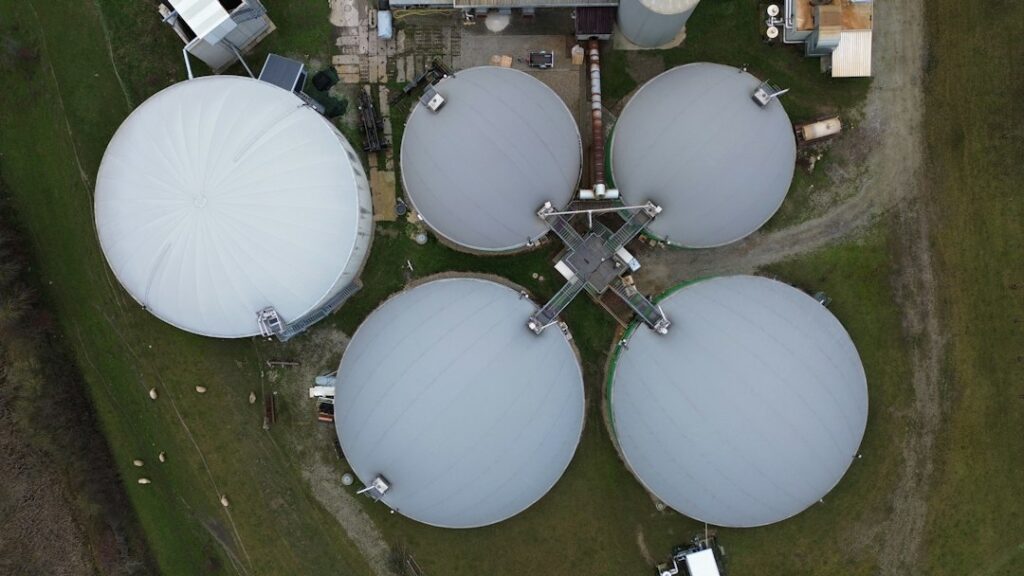
Simplified process overview. Digestate processing, utilities, flare and safety systems form part of the defined plant interfaces.
Receiving and handling, feed preparation, slurry preparation, feeding, anaerobic digestion and biogas collection/storage.
Desulphurisation, upgrading, drying, compression and specified high-pressure storage, cascade or dispensing systems.
Digestate handling and manure-processing interfaces, flare and safety systems, piping, electrical systems, instrumentation and PLC/SCADA automation.
Installation, commissioning and performance testing within the agreed package. Civil works, utilities, approvals, offsites and customer responsibilities are defined before execution.
Cattle dung, press mud, food waste, selected agricultural residues and segregated organic municipal waste may be considered. Feedstocks are assessed individually or as an agreed blend; they are not interchangeable.
Quantity, seasonal availability, moisture, organic content, contamination and biodegradability determine the preparation and digestion basis. Agricultural residues may need additional pretreatment. Gas output and plant performance require a characterised feed and project-specific engineering.
Share the information available; the engineering discussion can establish the remaining inputs.
A blend can be assessed, but digestion stability, pretreatment and expected gas output depend on its composition and variability. The design basis must specify the accepted feedstocks and operating range.
Output depends on feed quantity and characteristics, digestion performance and gas-upgrading losses. A capacity or yield commitment follows feed assessment, process selection and an agreed performance-test basis.
The project defines digestate handling, separation and any further processing. Suitability for a particular use, product quality and applicable requirements need separate review; saleable manure is not assumed from digestion alone.
Installation, automation, commissioning and performance testing can be included in the agreed scope. Utilities, approvals, civil works, storage and offtake responsibilities are allocated in the proposal.