Ethanol Plant
Ethanol plant engineering for fuel, industrial or other specified applications. ATTOMO develops the equipment and project scope around the selected feedstock, final product and operating conditions.
Process and equipment approach
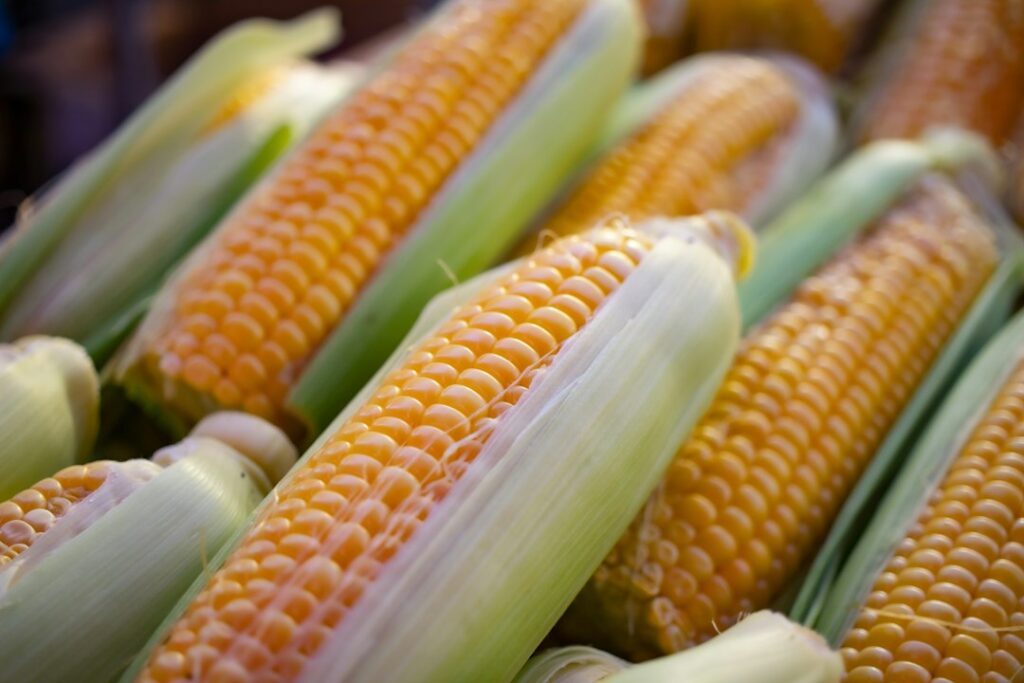
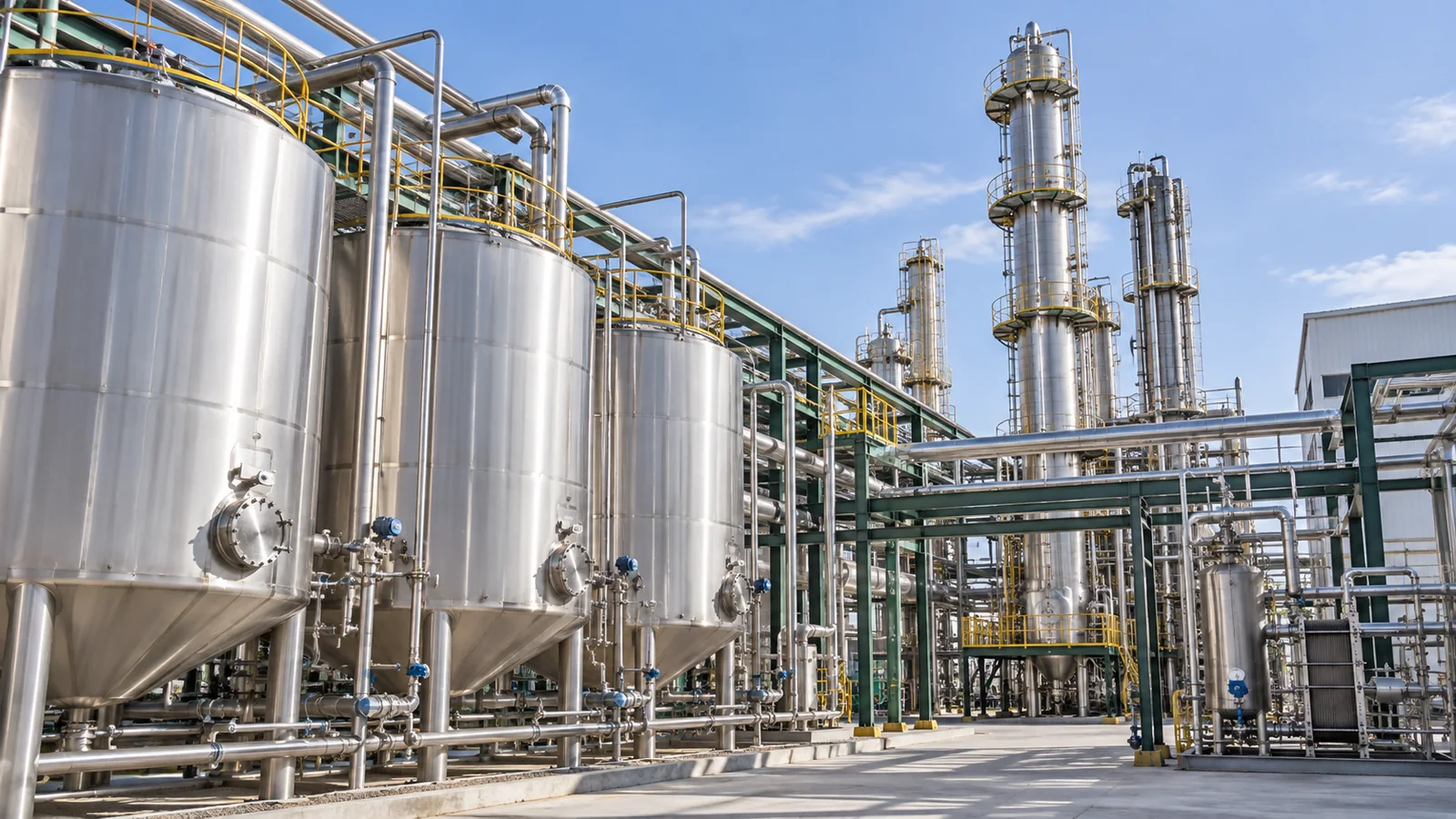
The process differs between sugar-based and starch-based feeds. Starch feeds require conversion to fermentable sugars before fermentation. Distillation separates alcohol from the fermented wash, while rectification and, when required, dehydration establish the final alcohol specification.
Applications and product requirements
An ethanol plant is selected around both feedstock and end use. Sugar-based feeds require fermentation preparation; starch-based feeds also need starch conversion. Fuel ethanol, industrial ethanol and pharmaceutical applications have different impurity, water and documentation requirements. This page provides the overview; feedstock-specific pages describe the corresponding front end.
Equipment and operating approach
The plant generally connects feed preparation, fermentation, distillation and rectification. Dehydration is added for a suitably low-water product, while other purification duties depend on trace impurities. Storage, denaturing where applicable, dispatch and effluent management must be included in the project boundaries.
Define the right package.
The quotation defines the included equipment, services and battery limits.
- Feedstock-specific process equipment
- Fermentation, distillation and rectification
- Dehydration and product-handling interfaces
- Effluent, co-product and utility integration
Materials and configuration
ATTOMO’s engineering and equipment proposal defines vessels, columns, heat-transfer equipment, receivers, piping and control interfaces. A new plant, expansion or equipment-only enquiry requires different information. Materials and cleaning design follow the process service; fuel-product equipment must not be assumed to provide a validated pharmaceutical production environment.
Utilities and operation
Steam, cooling, water and electricity are determined from the full plant balance and local conditions. Feed preparation and residue treatment can materially change the utility demand. State the desired annual operating schedule, product specification and capacity basis before comparing quotations.
Information for your enquiry.
Share the information you already have. Early-stage enquiries are welcome.
- Feedstock composition and supply
- Product specification and capacity
- Greenfield or expansion requirements
- Utilities, site conditions and battery limits
Frequently asked questions
Are fuel and beverage ethanol the same specification?
They serve different end uses and may require different impurity limits, finishing steps and controls. The intended application must be stated before the process is selected.
Can a project be supplied in stages?
A phased scope can be discussed. Each phase needs clear interfaces, performance responsibilities and provision for any future equipment.
Is ethanol concentration alone enough to select a plant?
No. Feedstock, throughput, impurity limits, end use, operating schedule and available utilities are also needed. Specify whether concentration is measured by mass or volume.
Can an existing alcohol plant add dehydration?
It may be feasible after checking feed quality, capacity, utilities, storage and control interfaces. An add-on package needs a defined integration study.
What should be stated for an EPC enquiry?
Identify engineering, procurement, equipment supply, erection, commissioning, utilities, civil works and statutory responsibilities. EPC boundaries must be agreed in a scope matrix.
Related solutions
From equipment supply to a coordinated EPC project
Discuss standalone equipment, a process package or a new plant with ATTOMO. Greenfield EPC delivery connects engineering, manufacturing, procurement, site interfaces, automation and commissioning through an agreed scope. Existing plants can be reviewed for expansion, revamps and lifecycle support.