
Sugarcane Juice & Syrup Ethanol Plant
Engineer an ethanol project around sugarcane juice, syrup or an agreed combination of sugar streams. ATTOMO supplies engineering and process equipment for projects whose feedstock preparation, fermentation and downstream separation are defined together.
Process and equipment approach
Fermentable sugars in prepared juice or syrup are converted into an alcohol-containing wash. Distillation and rectification concentrate the alcohol; dehydration is added where the final product requires it. Juice handling, syrup concentration or storage are upstream considerations and do not replace ethanol production.
Applications and product requirements
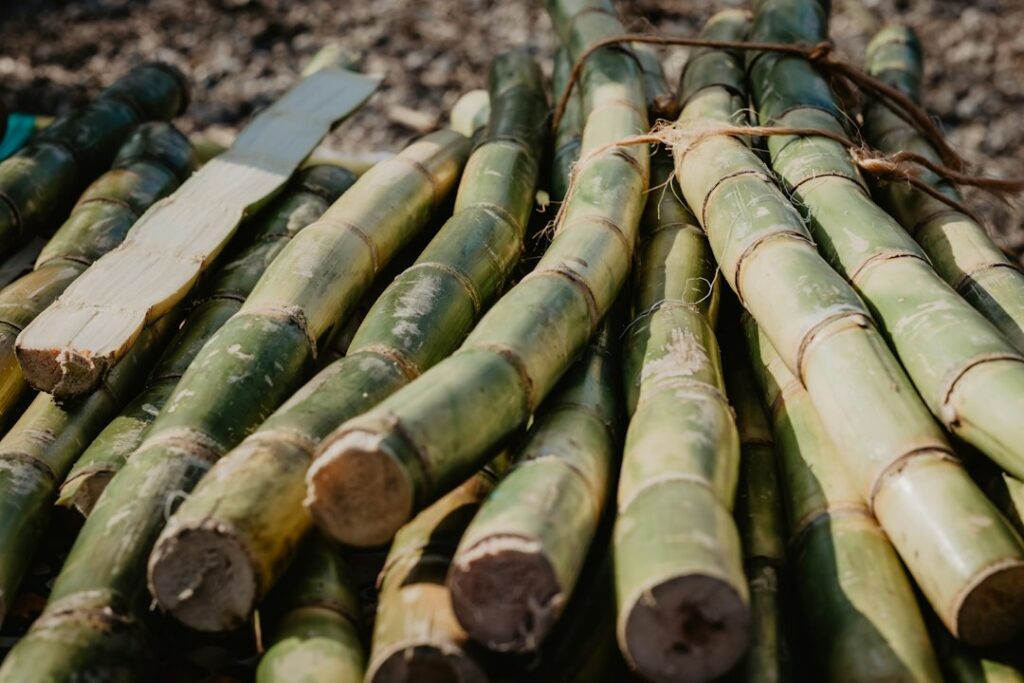
Sugarcane juice and syrup are sugar-based feedstocks for fermentation-derived ethanol. This can support a seasonal sugar-mill integration or a separately planned ethanol project. The intended product—fuel ethanol, industrial alcohol or another specified grade—sets the downstream separation and quality requirements.
Equipment and operating approach
The overall process can include juice clarification or preparation, dilution and conditioning of syrup, fermentation cooling, wash handling, distillation and rectification. A dehydration stage is required when the specified water limit cannot be met by conventional rectification. Feed preparation and storage are distinct from the fermentation and alcohol-recovery plant. Residual liquid streams and recovered condensates need their own treatment and reuse assessment.
Define the right package.
The quotation defines the included equipment, services and battery limits.
- Feed preparation and fermentation systems
- Distillation and rectification equipment
- Dehydration package interfaces as required
- Stillage, condensate and utility integration
Materials and configuration
Sugar content alone is insufficient: suspended solids, salts, acidity, microbial condition and storage changes also affect design. Contact materials and cleaning provisions must suit the feed, fermentation and alcohol sections. Juice-only, syrup-only or flexible-feed operation must be expressly designed and quoted; one feedstock option does not establish unrestricted interchangeability.
Utilities and operation
Provide steam conditions, cooling-water supply and return temperatures, water quality, electricity and instrument-air availability. Seasonal ambient conditions affect fermentation cooling and condensation. Storage losses, operating days and cleaning downtime belong in the production basis. Storage duration and production yield depend on the selected preservation system, feed quality and agreed operating conditions.
Information for your enquiry.
Share the information you already have. Early-stage enquiries are welcome.
- Juice or syrup composition and seasonal supply
- Storage strategy and operating days
- Product grade and required capacity
- Available utilities and effluent-treatment basis
Frequently asked questions
Is this a sugar-syrup manufacturing plant?
The principal product discussed here is ethanol. Syrup preparation or storage can form part of the feedstock strategy, but the ethanol plant also requires fermentation and separation.
How should ethanol purity be specified?
State the target grade, test method and whether concentration is on a mass or volume basis. The product specification and acceptance tests must be agreed for the project.
Can juice and syrup use the same fermentation section?
They may share equipment if concentration, preparation, microbial control and the operating range are designed for both feeds. Supply analyses for each intended feed.
Does storing syrup guarantee year-round operation?
No. Storage stability, stock volume, seasonal availability and contamination control must support the operating plan. A validated preservation method cannot be assumed.
How should capacity and yield be stated?
Give feed throughput, operating hours, expected product quantity and its concentration basis. Fermentation yield, alcohol recovery and final ethanol purity are separate measures.